


Cheese is a versatile food that's loved by many, but if you're following a low-FODMAP diet for irritable bowel syndrome (IBS), navigating the cheese aisle to find a low-FODMAP cheese can feel confusing. Many people wonder, "Is cottage cheese low FODMAP?", and may be surprised to learn that while extremely small portions are low FODMAP, larger portions are considered high FODMAP.
The reason certain cheeses, including cottage cheese, are considered high FODMAP is their lactose content. Lactose is a natural sugar found in milk, so it's present in many dairy products, including some cheeses. Lactose is also a common FODMAP trigger, particularly for people with IBS who are also lactose intolerant.
Lactose intolerance occurs when your body doesn't produce enough of an enzyme called lactase. Without lactase, lactose is not broken down and instead enters the large intestine intact, drawing excess water into the bowel. Here, in the large intestine, lactose is fermented by the gut bacteria. The combined result of these effects is gas, bloating, abdominal cramping, and in some cases, diarrhea.
Many people trying to avoid lactose due to lactose intolerance or IBS stop eating cheese altogether. But not all cheese needs to be avoided. Read on to learn which cheeses can still be eaten on a low FODMAP or low-lactose diet, plus some of our favorite lactose-free cheese brands.
Can cheese be low FODMAP?
Yes, some cheeses can be low FODMAP. The FODMAP content of cheese depends on:
-
Age/ripening time (as cheese ages, lactose is broken down, resulting in a lower-lactose cheese)
-
Processing and moisture content (fresh, unaged cheeses like cottage cheese retain more lactose)
-
Serving size (some cheeses may be low FODMAP at small serving sizes but higher FODMAP at larger serving sizes)
-
Lactose-free processing (some cheeses are treated with the lactase enzyme during production to pre-digest and eliminate lactose entirely).
Some cheeses, such as aged cheeses like cheddar, are quite low in lactose. This means that certain cheeses are low FODMAP and can be eaten even by people with a FODMAP intolerance.
Is cottage cheese low FODMAP?
No, cottage cheese is not a low FODMAP food. That said, extremely small serving sizes of 3 tablespoons (40 grams) are technically considered low FODMAP, so regular cottage cheese can still work as a creamy base for dips or other dishes if the total amount stays under 40 g per serving. Since most people's usual portions typically exceed this amount, for all intents and purposes, cottage cheese is considered high FODMAP.
This discrepancy between a low FODMAP serving size and the portions of cottage cheese people typically eat is why cottage cheese is one of the most misunderstood "low FODMAP" foods. If lactose is not one of your FODMAP triggers, you can enjoy cottage cheese in any serving size, though around 60 g is a moderate FODMAP amount and may trigger symptoms in more sensitive people.
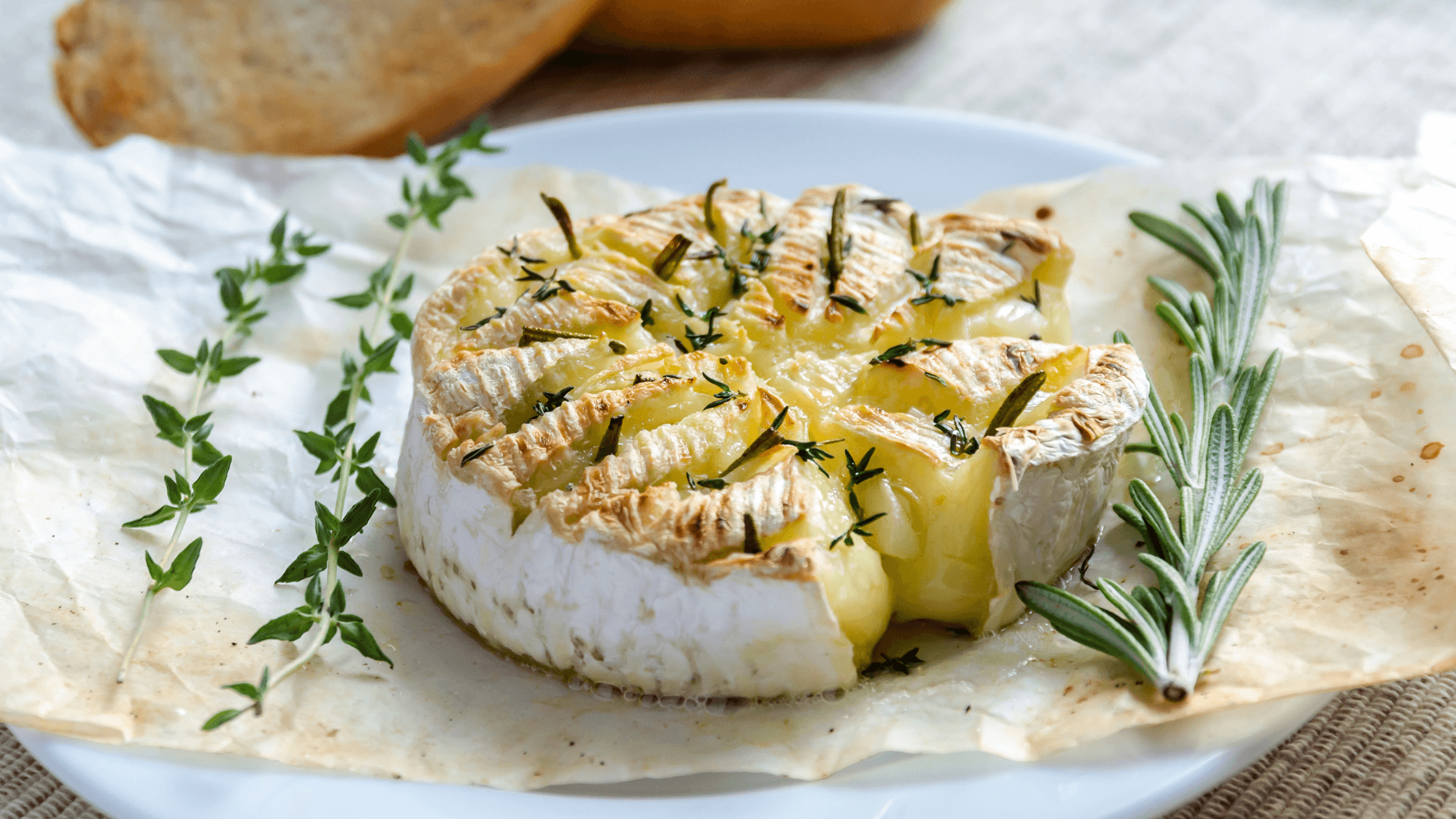
What makes cheeses low or high FODMAP?
The lactose content of cheese determines whether it's high or low FODMAP and whether it's a risky food for IBS. It's a common misconception that all cheese causes gastrointestinal problems in people with lactose intolerance or IBS. Since some cheeses are low in lactose at typical serving sizes, they can be enjoyed by people with lactose intolerance. Here's a breakdown of some common types of cheese and their lactose content.
Aged cheeses
Aged cheeses and hard cheeses are naturally low-lactose cheeses because aging reduces lactose, making them low FODMAP. During fermentation, bacteria feed on the lactose in pasteurized cow's milk as the cheese ripens, breaking it down into lactic acid. Aged cheeses like Parmesan, cheddar, Gruyère, Swiss, and blue cheese have much less lactose per serving than fresh cheeses. These types of cheeses are often well tolerated in small servings by people with lactose intolerance or those following a low FODMAP diet.
Fresh cheeses
Many fresh cheeses are high in lactose and therefore considered high FODMAP. This is because they undergo a shorter fermentation process, so less lactose gets broken down. However, not all cheeses in this category behave the same way, and some fresh unripened cheeses are considered low FODMAP. For example, goat cheese, cream cheese, and feta cheese have a low FODMAP serving size of 40 grams or less (about three tablespoons).
Feta cheese can vary in lactose content based on its manufacturing process, so some versions may be a moderate FODMAP cheese. With these cheeses, portion size is much more important, as eating more than the Monash University-recommended serving size could lead to consuming more lactose than your body can handle.
Processed cheeses
Processed cheese foods like cheese spreads and slices are often made by melting natural cheese and then adding dairy ingredients like milk solids, which can raise their lactose content and make them more likely to be high FODMAP. However, this isn't universally true, and it's always important to read labels to look for high-lactose ingredients. Some high-lactose ingredients to look out for on the nutrition label include:
-
Milk
-
Milk solids
-
Milk powder
-
Whey
-
Whey protein concentrate (whey protein isolate has little to no lactose)
-
Whey powder
-
Lactose
-
Cream
-
Buttermilk
-
Curds
-
Yogurt
-
Sour cream
-
Evaporated milk
-
Condensed milk
-
Nonfat dry milk
-
Skim milk powder
This is one reason processed products may be higher in lactose than natural cheese. Seeing these ingredients on a food label doesn't guarantee a food is high in lactose, but it indicates that the food contains dairy, which can increase the lactose content.
Lactose-free cheeses
Lactose-free cheese is low FODMAP because the lactase enzyme is added during processing. This breaks down lactose, making these cheeses low FODMAP. Some examples of lactose-free cheeses include lactose-free cottage cheese and lactose-free cheddar cheese.
However, some cottage cheese brands also include inulin or garlic powder, so labels matter. While lactose-free cheese is low FODMAP on its own, adding high FODMAP ingredients can make it a high FODMAP food. Low FODMAP is also not the same as a dairy-free diet, since lactose-free dairy can still fit into a low FODMAP diet.
How to handle cheese on a low FODMAP diet
As we've already mentioned, some cheeses have higher lactose levels, making them unsuitable for the elimination phase of the low FODMAP diet. For example, fresh, unripened cheeses generally have higher lactose levels, as the aging process (which reduces lactose content) is minimal or absent. Additionally, processed cheeses often have added dairy ingredients that increase their lactose levels.
How much lactose is too much? It can vary from person to person, so it's best to start with small portions of lactose-containing foods to determine your lactose tolerance. It's rare for a person to be completely dairy intolerant, and many people can tolerate small amounts of lactose (even if they're lactose intolerant).
Keep in mind that for many, cheese serving sizes of 40 grams or less may be tolerated because low FODMAP cheese servings are usually set to keep lactose very low per portion. However, some cheeses are often eaten in larger portions than this. For example, many people eat up to half or three-quarters of a cup of cottage cheese in a sitting (that's about 100-150 grams). Since cottage cheese is a high FODMAP cheese in serving sizes of more than three tablespoons, you may develop symptoms if you eat larger portions of cottage cheese.
Similarly, soft cheeses like ricotta and queso fresco are often eaten in larger portions, which can lead to a higher lactose intake. While this doesn't mean you'll definitely get symptoms when you eat these foods, there's a higher likelihood of it. Remember, it's all about finding your individual tolerance levels.
Cheeses that are moderate FODMAP cheese choices in larger portions, especially in portions larger than 40 grams (1.5 oz), include:
-
Queso fresco
-
Cottage cheese
-
Regular cream cheese
-
Halloumi
-
Quark
-
Ricotta cheese
-
American cheese
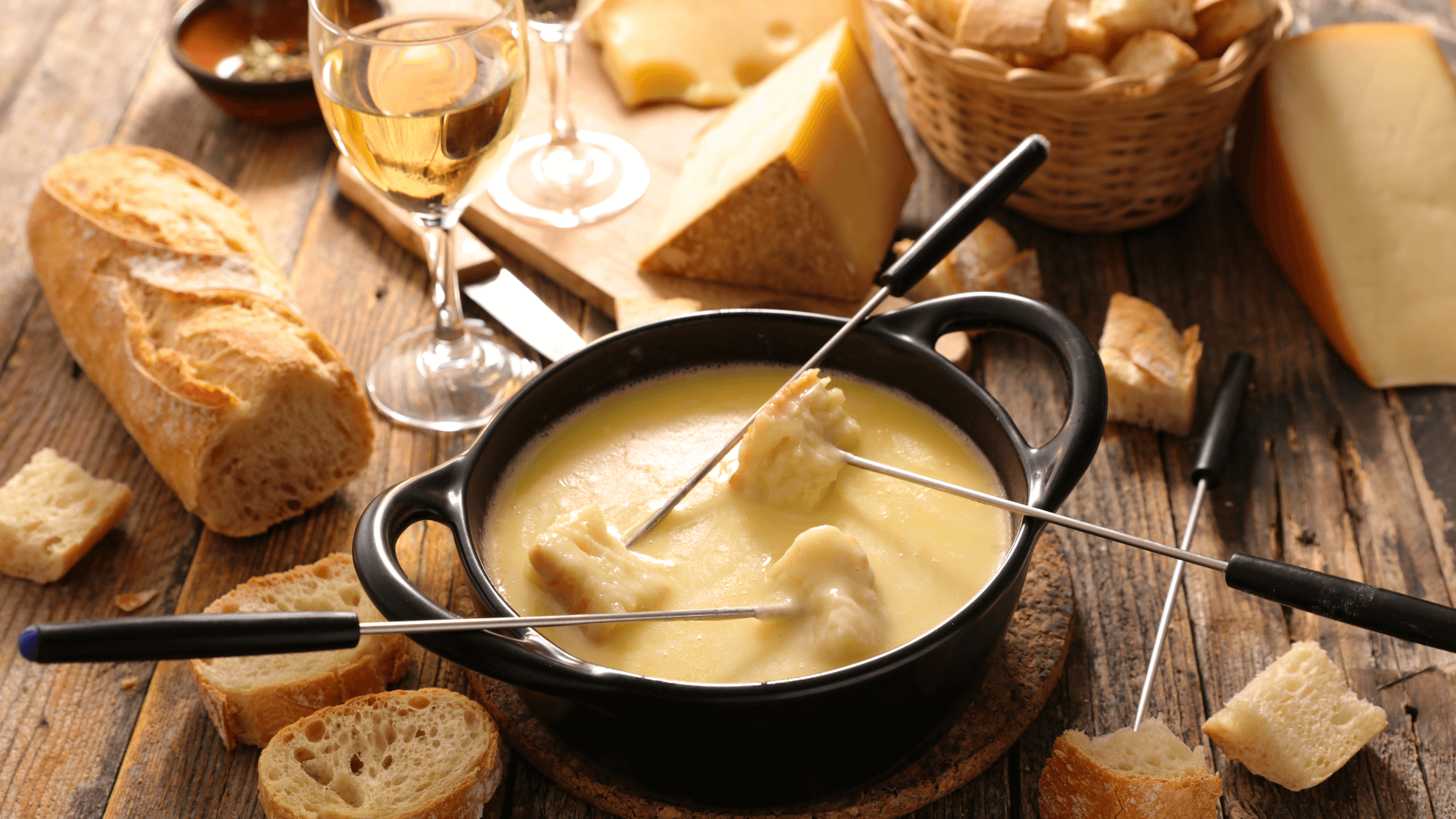
What are the best cheeses for a low FODMAP diet?
Fortunately for the cheese lovers out there, many cheeses have low FODMAP serving sizes of 40 grams or less. Here's a list of some common low FODMAP and low-lactose cheeses:
-
Blue cheese
-
Brie cheese
-
Camembert cheese
-
Cheddar cheese
-
Colby cheese
-
Compté cheese
-
Feta cheese
-
Goat cheese
-
Gouda cheese
-
Gruyere cheese
-
Havarti cheese
-
Manchego cheese
-
Monterey Jack cheese
-
Mozzarella cheese
-
Oaxaca cheese
-
Parmesan cheese
-
Pecorino-style cheese
-
Swiss cheese
Tips for including low FODMAP cheeses
Cheese can be part of a healthy diet, and even if you're following the low FODMAP diet, you can still enjoy cheese. Here are some tips for including low FODMAP cheeses in your diet:
-
Create a low FODMAP pizza using a gluten-free crust, low FODMAP vegetables, and hard, low FODMAP cheese like cheddar.
-
Eat a slice of hard cheese on a rice cracker as a delicious snack.
-
Add fresh mozzarella to your favorite salad. Drizzle with maple syrup and balsamic vinegar for a sweet and salty kick.
-
Add cheese to baked egg cups for breakfast.
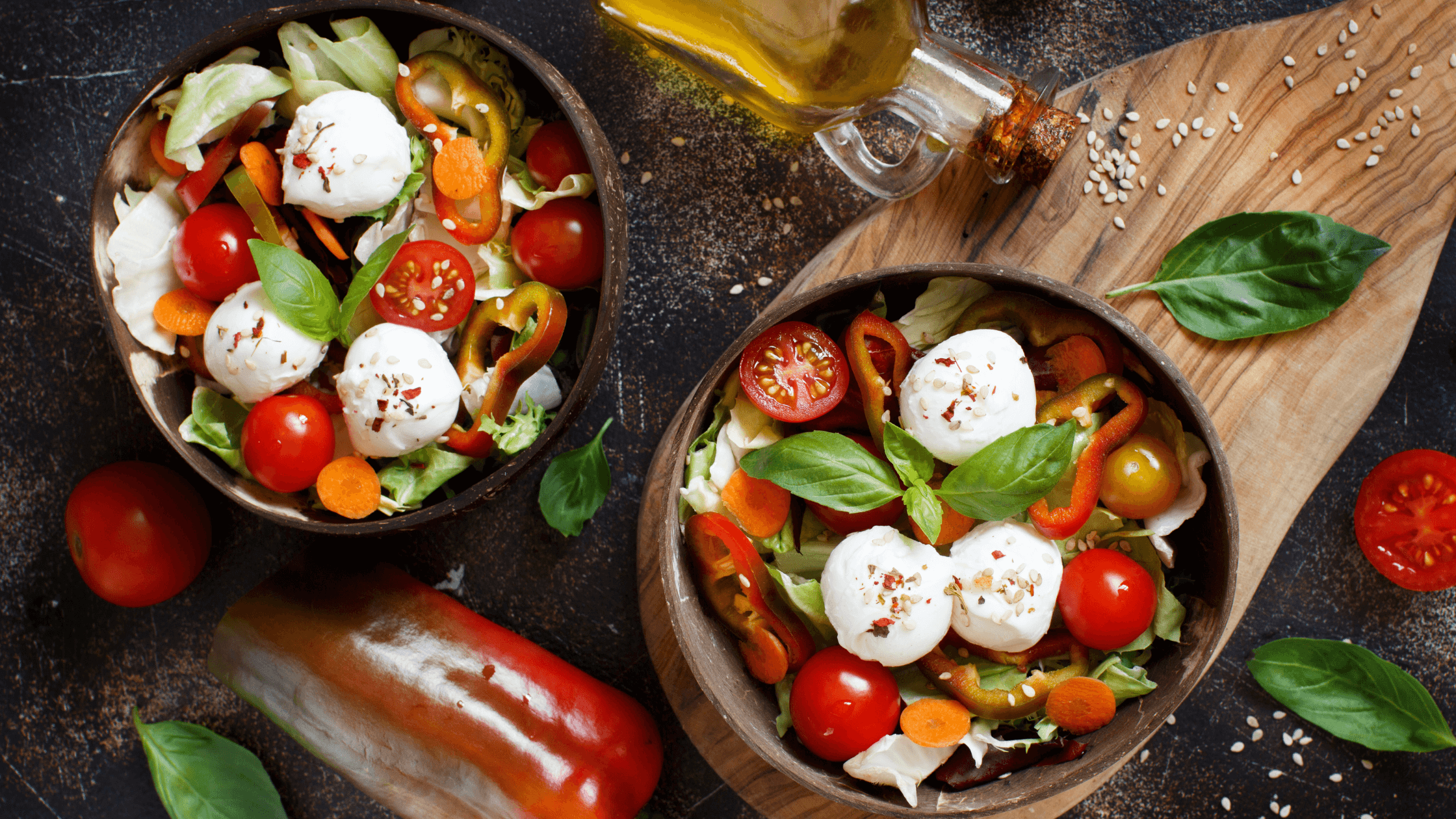
Popular lactose-free cheese
If you're following a low FODMAP diet or avoiding lactose, there are many lactose-free cream cheese and hard cheese options available. Here are some popular brands to consider:
-
Green Valley: Offers a range of lactose-free dairy products, including cream cheese and shredded cheeses.
-
Good Culture: Known for its lactose-free cottage cheese.
-
Galbani: Some Galbani mozzarella products are lactose-free.
-
Bunker Hill Cheese: Specializes in lactose-free aged cheddar.
-
Daiya: A popular brand offering vegan, dairy-free, and lactose-free cheese alternatives.
-
Miyoko's Creamery: Provides vegan cheeses made from cashews and oats.
-
Cabot Creamery: Their cheddar cheese is naturally lactose-free.
-
Beemster Premium Dutch Cheese: Many of their aged cheeses are naturally lactose-free.
-
Lactaid: Lactaid's cottage cheese is lactose-free.
Many traditional aged cheeses are a low-lactose cheese option and may already be naturally lactose-free, so special products are not always necessary. Vegan cheese is not automatically low FODMAP, so check labels for high FODMAP ingredients.
When choosing lactose-free or low FODMAP cheeses, be sure to check the cheese label and ingredient list for other high FODMAP ingredients (like onion and garlic, which are high in a type of FODMAP called fructans) and confirm appropriate low FODMAP portion sizes using the Monash FODMAP app.
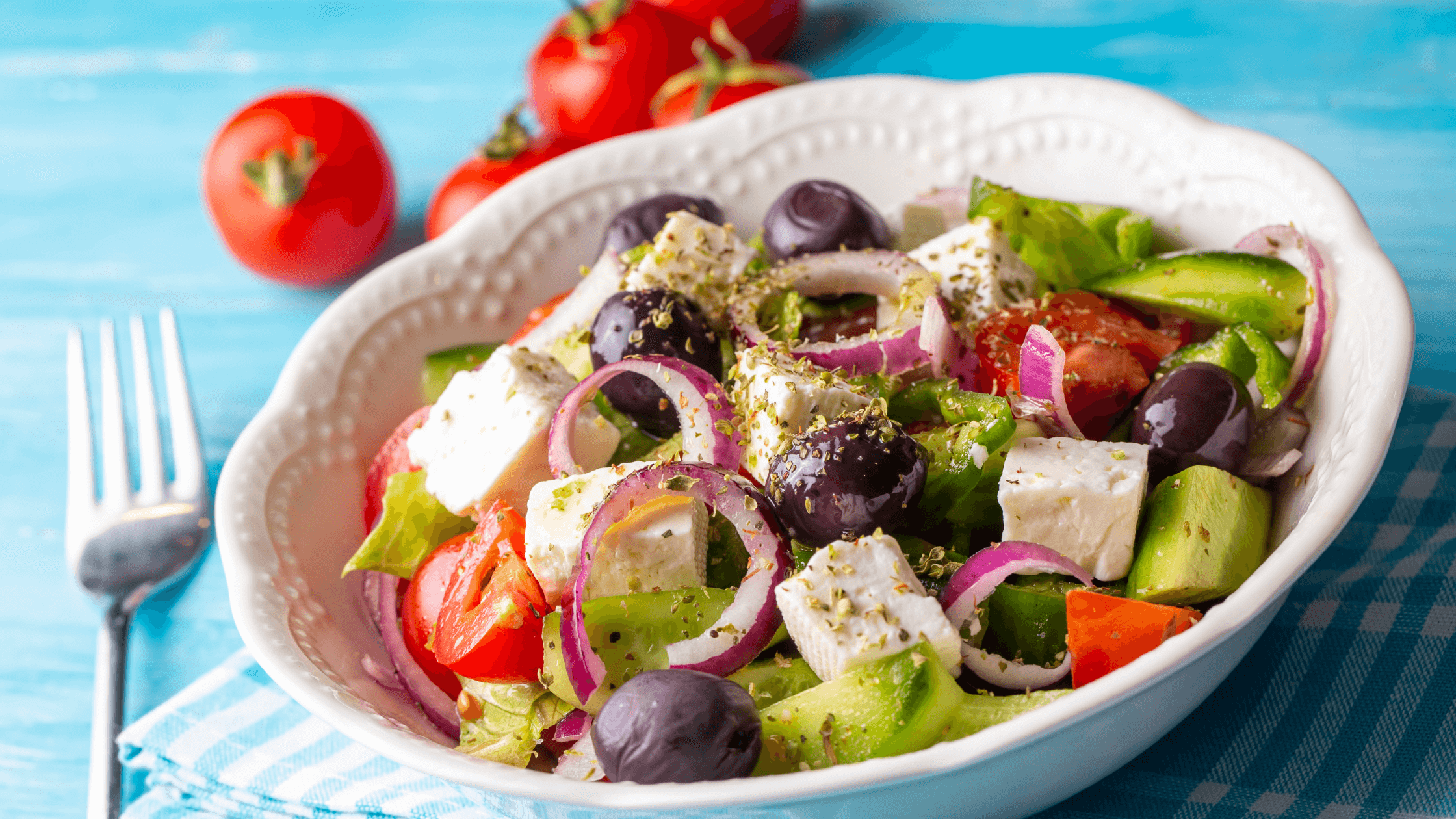
How to eat cheese on a low FODMAP diet
Looking for the perfect cheese on a low FODMAP diet doesn't have to be overwhelming. From naturally low-lactose aged cheeses to lactose-free and vegan alternatives, there's a world of delicious cheeses just waiting for you.
Here are some of our top tips for enjoying cheese on a low FODMAP diet:
-
Choose naturally low FODMAP cheeses, like cheddar, Gruyère, and Swiss cheese.
-
Be mindful of portion sizes. Many cheeses are low FODMAP in servings of 40 grams or less, so sprinkling a small amount on your meals is an easy way to add flavor without exceeding your lactose tolerance.
-
Choose lactose-free alternatives, like lactose-free cheddar cheese.
-
Use digestive enzymes such as FODZYME or Lactaid, which contain lactase, the enzyme that breaks down lactose.
FODZYME is a digestive enzyme blend that breaks down the most common FODMAP triggers, including lactose. FODZYME's unique powder form easily and freely distributes into food in the digestive tract, making it more effective than pills or capsules. For a detailed list of foods FODZYME works on, visit our resources.
For relief of occasional gas and bloating related to lactose, try FODZYME here and enjoy your favorite cheeses with confidence.
Low FODMAP cheeses FAQ
Are all cheeses low FODMAP?
Not all cheeses are low FODMAP, as it depends on the lactose content; while aged cheeses like cheddar and Parmesan have very little lactose and are therefore low FODMAP, soft cheeses like cottage cheese are high FODMAP because of their higher lactose content.
Is cottage cheese low FODMAP?
Cottage cheese is not low FODMAP in the amounts most people eat. While small servings of three tablespoons (40 grams) contain a low enough amount of lactose to be considered low FODMAP, most people eat more than this in one sitting.
What types of cheeses are best for IBS?
The best cheeses for IBS are low-lactose cheeses. Since lactose is a common FODMAP trigger, low-lactose cheeses are a better option for some people with IBS. Low-lactose options include:
-
Blue cheese
-
Brie cheese
-
Camembert cheese
-
Cheddar cheese
-
Colby cheese
-
Compté cheese
-
Feta cheese
-
Goat cheese
-
Gouda cheese
-
Gruyere cheese
-
Havarti cheese
-
Manchego cheese
-
Monterey Jack cheese
-
Mozzarella cheese
-
Oaxaca cheese
-
Parmesan cheese
-
Pecorino-style cheese
-
Swiss cheese
These cheeses are low FODMAP in serving sizes of 40 grams or less.